


FMLA vs Short-Term Disability comes down to this: FMLA protects your job, while Short-Term Disability protects your income. FMLA is a federal law providing up to 12 weeks of unpaid, job-protected leave. Short-Term Disability is an optional employer benefit that pays 40-70% of your salary but offers no job protection. They serve different purposes and can be used together.
For those struggling with addiction and needing time for detox and recovery treatment programs, understanding both options is critical. These benefits offer flexibility when taking time off work to handle medical issues, including substance use disorder treatment. The key is knowing how each works and when to use them together for maximum protection during recovery.
Key Takeaways
- FMLA and Short-Term Disability are not the same.
- FMLA applies to employers with 50+ employees federally, while Short-Term Disability is optional and offered at the employer’s discretion.
- You can use both benefits concurrently.
- FMLA covers 12 weeks of unpaid leave annually, while Short-Term Disability covers 3-6 months at 40-70% of your salary.
- Short-Term Disability covers addiction treatment and rehab.
- Short-term disability is an employer benefit, not a legal entitlement. Whether you have it, and how much it pays, depends entirely on your employer, so check your benefits package or ask HR before you plan a leave.
- FMLA can be used for a family member’s treatment, while Short-Term Disability only covers your own medical condition.
What is the Family Medical Leave Act (FMLA)?
The FMLA is a federal act that applies to any employer in the country with 50 employees or more, as well as public agencies and private schools with any number of employees working for them. The FMLA covers our time off when we need to tend to either our own medical condition or a family member’s. The FMLA offers a minimum of 12 weeks of unpaid leave. With the FMLA, we’re guaranteed our jobs when we return, and if our jobs are no longer available, we’re guaranteed similar jobs with the same benefits, wages, and responsibilities.
What is the Short-Term Disability?
Short-Term Disability benefits are optional, and employers can choose whether or not to offer them. Therefore, depending on where we work, we may or may not be entitled to benefits under either or both of their terms. Short-Term Disability coverage applies only if our condition is the one in question. Disability benefits provide financial compensation for the time we’re absent from work. Disability benefits, on the other hand, don’t guarantee that we’ll be able to retain our position or a similar one while we’re gone.
Is Short-Term Disability the Same as FMLA?
No, Short-Term Disability and FMLA are not the same. FMLA is a federal law providing unpaid, job-protected leave. Short-Term Disability is an optional employer benefit providing income replacement without guaranteed job protection.
The key difference: FMLA protects your job. Short-Term Disability protects your income. They serve different purposes and can be used together.
Can You Use FMLA and Short-Term Disability Together?
Yes, you can use FMLA and Short-Term Disability concurrently. This combination provides both job protection and income replacement during your leave.
When used together:
- FMLA protects your position for up to 12 weeks
- Short-term disability replaces part of your salary during that time, at a percentage set by your specific plan
- Both benefits run simultaneously, not consecutively
This is the ideal scenario for extended medical leave, including addiction treatment and recovery.
FMLA vs Short Term Disability: Key Differences
| Feature | FMLA | Short-Term Disability |
|---|---|---|
| Type | Federal law | Optional employer benefit |
| Duration | 12 weeks per year | Typically 3-6 months |
| Pay | Unpaid | 40-70% of salary |
| Job Protection | Yes – guaranteed | No guarantee |
| Eligibility | Employers with 50+ employees | Varies by employer |
| Coverage | Your condition or a family member’s | Your condition only |
| Application | Through the employer’s HR | Through an insurance provider |
What Does Short-Term Disability Cover?
Short-Term Disability covers temporary medical conditions that prevent you from performing your job duties. Covered conditions typically include:
- Surgery and recovery periods
- Serious illness or injury
- Mental health conditions (depression, anxiety, PTSD)
- Substance use disorder treatment and rehab
- Pregnancy and childbirth
- Severe accidents require recovery time
Coverage requires medical documentation from a healthcare provider certifying that you cannot work.
Does Short-Term Disability Cover Rehab?
Yes, Short-Term Disability typically covers addiction treatment and rehab when:
- The treatment is medically necessary
- A healthcare provider documents the condition
- The treatment prevents you from performing your job
- You’re enrolled in a formal treatment program
Coverage applies to inpatient rehab, intensive outpatient programs (IOP), and residential treatment facilities.
Does Short-Term Disability Cover Alcohol Rehab?
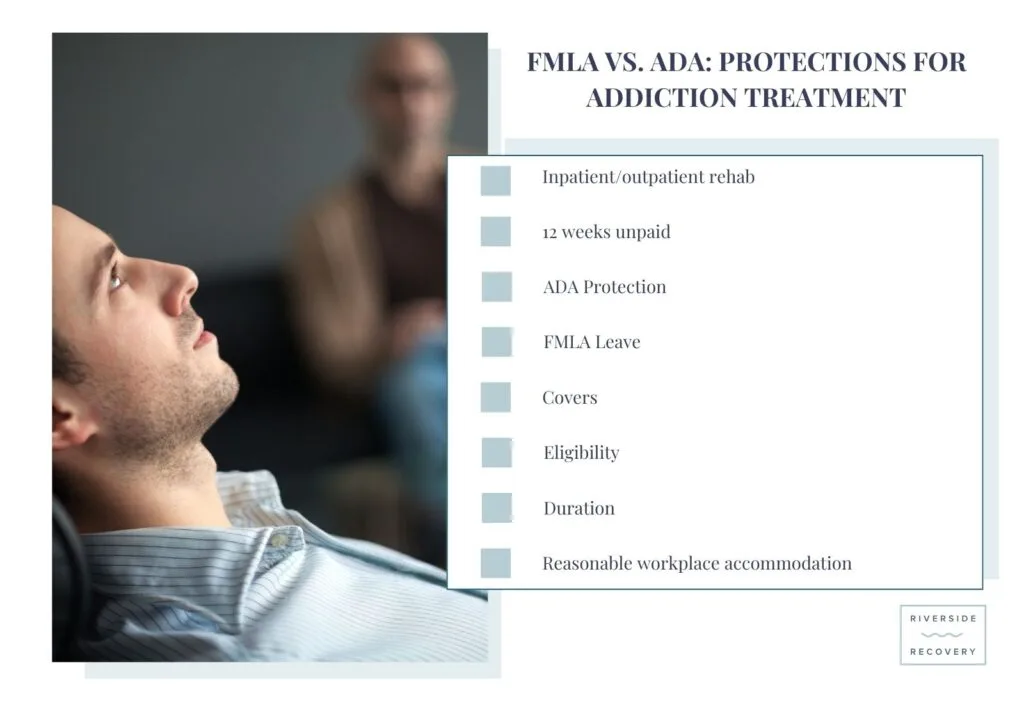
Yes, alcohol rehab is covered under Short-Term Disability when it meets medical necessity criteria. Alcohol use disorder is recognized as a medical condition under the Americans with Disabilities Act (ADA).
To qualify:
- You need a diagnosis from a healthcare provider
- The condition must prevent you from working
- You must be actively participating in treatment
- Documentation from the treatment facility is required
The same applies to drug rehab; both are treated as legitimate medical conditions eligible for Short-Term Disability benefits.
Short-Term Disability for Substance Use Disorder Treatment
Short-Term Disability for substance use disorder treatment works the same as any other medical condition. Here’s what you need to know:
Coverage includes:
- Detoxification programs
- Inpatient residential treatment
- Intensive outpatient programs (IOP)
- Partial hospitalization programs (PHP)
- Medication-assisted treatment (MAT) programs
Documentation required:
- Medical diagnosis of substance use disorder
- The treatment provider’s certification that you cannot work
- Treatment plan and expected duration
- Regular updates from your treatment team
Your employer receives confirmation that you have a qualifying medical condition, but does not receive details about the specific diagnosis or treatment. HIPAA protects your privacy.
What Qualifies for Short-Term Disability?
To qualify for Short-Term Disability benefits, you must:
- Have coverage through your employer, because not all employers offer it
- Be unable to perform your job duties due to a medical condition
- Provide medical certification from a healthcare provider
- Meet the waiting period, typically 7-14 days after injury/illness begins
- Be under active medical care throughout the leave period
Pre-existing conditions may be excluded under your policy. Check your specific plan details.
Short-Term Disability After FMLA Runs Out
When your 12 weeks of FMLA expires, but you still cannot return to work, Short-Term Disability benefits may continue if your medical condition persists.
What happens:
- FMLA job protection ends after 12 weeks
- Short-Term Disability payments can continue for 3-6 months total
- Your employer is not required to hold your position after the FMLA expires
- You may transition to long-term disability if you are unable to return
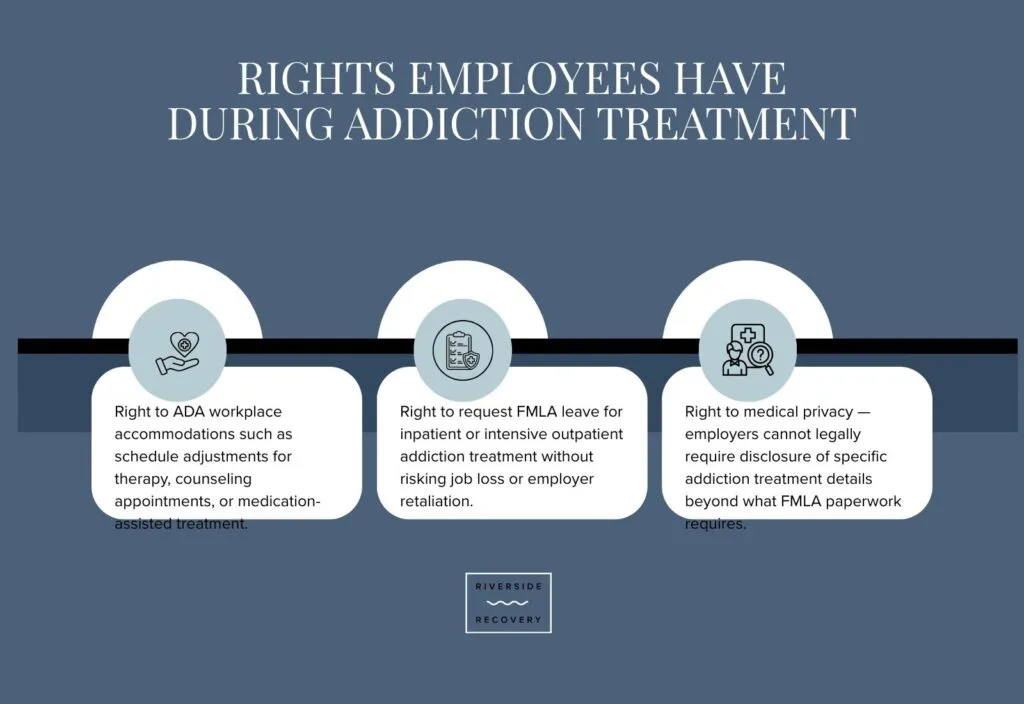
Discuss extended leave options with your employer before the FMLA runs out. Some employers offer additional unpaid leave as a reasonable accommodation under the ADA. For licensed professionals such as physicians, nurses, and attorneys, leave decisions are further complicated by licensing board requirements and monitoring agreements. A licensed professional’s program addresses those regulatory obligations alongside standard FMLA and Short-Term Disability planning.
FMLA vs. Short-Term Disability for Mental Health
Both FMLA and Short-Term Disability cover mental health conditions, including depression, anxiety, PTSD, and bipolar disorder.
FMLA for mental health:
- Covers time off for your own mental health treatment
- Covers time to care for a family member with serious mental illness
- Requires certification from a mental health provider
- Protects your job for up to 12 weeks
Short-Term Disability for mental health:
- Provides income replacement during mental health leave
- Requires medical documentation that you cannot work
- Typically covers 3-6 months
- Can be used concurrently with FMLA
Mental health conditions are treated the same as physical conditions under both programs.
How to Apply for Short-Term Disability
To apply for short-term disability, follow the steps below:
Step 1: Notify your employer. Inform HR or your supervisor as soon as possible that you need medical leave. Provide estimated start date and duration.
Step 2: Obtain medical certification. Your healthcare provider must complete forms certifying:
- Your diagnosis
- That you cannot perform your job duties
- Expected duration of disability
- Treatment plan
Step 3: Submit claim to insurance provider. Complete the claim forms provided by your Short-Term Disability insurance carrier. Include all required medical documentation.
Step 4: Follow up regularly. Submit updated medical certifications as requested. Maintain contact with your insurance case manager.
Step 5: Coordinate with FMLA if applicable. File FMLA paperwork simultaneously to ensure job protection while receiving disability payments.
Most claims are approved or denied within 2-4 weeks. Benefits typically begin after a 7-14 day waiting period.
The community of Riverside Recovery has personal experience with both addiction and recovery, and all of the challenges that come with them. We’re here to help you reclaim the life you love. Call (800) 871-5440 today.
References
- U.S. Department of Labor. Family and Medical Leave Act (FMLA). https://www.dol.gov/agencies/whd/fmla
- U.S. Bureau of Labor Statistics. Employee Benefits in the United States, March 2025. https://www.bls.gov/news.release/ebs2.nr0.htm